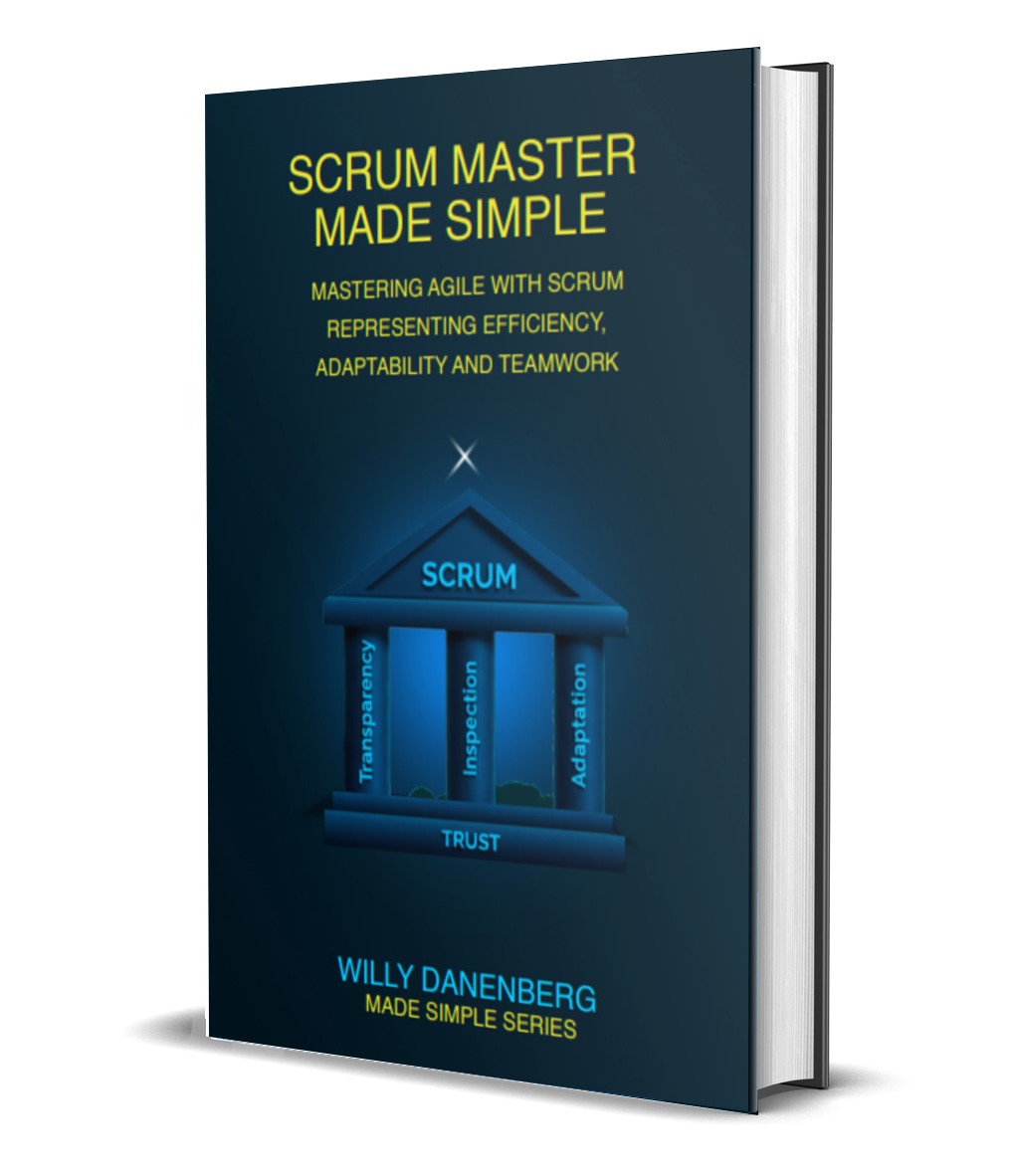
Part I: The Foundation of Scrum and Agile Project Management
Part I lays the groundwork for understanding Scrum and Agile project management. We begin by exploring the origins and evolution of Scrum, tracing how Agile ideas emerged as a response to traditional project challenges. Next, we discuss the core principles and values that define Agile and Scrum - including the Agile Manifesto’s values, the 12 Agile principles, and Scrum’s specific pillars and values. We then explain the structure of the Scrum framework itself: the key roles, events, and artifacts that make up Scrum, providing a high-level view of how a Scrum team works in practice. Finally, we compare Scrum with traditional project management (Waterfall) to highlight what makes the Agile approach fundamentally different. By the end of Part I, readers will have a solid conceptual foundation and understanding of why Scrum is designed the way it is.